



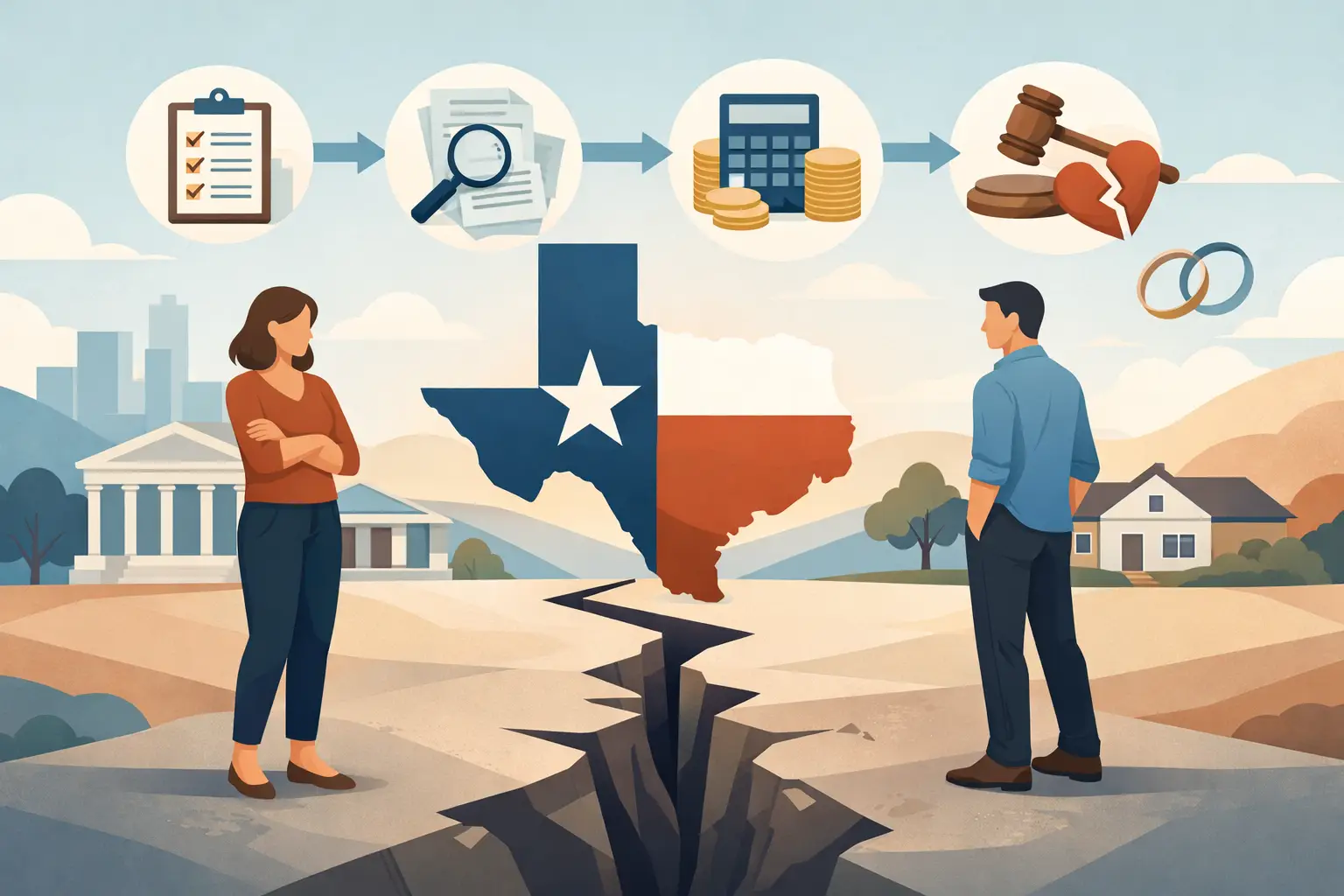

A divorce filing can look like a stack of forms, but the decisions that shape it usually begin much earlier: at the kitchen table, in a difficult conversation, or during a quiet moment when you realize life cannot continue as it has. Taking thoughtful steps before filing divorce can reduce panic, protect important information, and help you move forward with a clearer head.
You do not have to solve every question at once. The goal is to create enough stability to make careful choices, especially if you hope to handle an uncontested divorce without the cost and stress of a drawn-out court fight.
Start With Safety and Immediate Stability
If you are worried about your physical safety, your children’s safety, threats, stalking, or financial control, address that first. A divorce plan is not more important than getting through the next day safely. Reach out to a trusted person, a local domestic violence resource, or emergency services if there is immediate danger.
Even when there is no safety concern, divorce can make home life feel unsteady. Think through where you will sleep, how daily bills will be paid, and who can be there for you emotionally. One calm, trustworthy person who knows what is happening can make a meaningful difference when emotions run high.
Avoid making big, irreversible moves in the heat of an argument. Emptying accounts, hiding property, cutting off access to money, or using children as messengers can create more conflict and may complicate the process. If your situation involves abuse, coercion, significant assets, or serious disagreement, individualized legal advice may be necessary.
Get Clear on Whether Divorce Is the Decision
Some people have been certain for years. Others feel caught between hope, guilt, fear, and exhaustion. Before filing, give yourself room to separate the decision to divorce from the pressure to have every detail figured out.
A private conversation with a counselor, faith leader, or trusted friend may help you understand what you need. Counseling is not only for couples trying to stay together. Individual counseling can also help someone set boundaries, work through grief, and make decisions from a steadier place.
If both spouses are open to communicating respectfully, begin with the broad questions. Are you both willing to divorce? Do you expect disagreements over children, the home, debts, retirement, or support? An uncontested divorce does not mean the marriage ended without pain. It means both parties can eventually agree on the terms needed to finalize the case.
Organize Financial Information Before Filing Divorce
Money uncertainty is one of the fastest ways divorce becomes overwhelming. Start gathering copies of records while you still have normal access to them. Keep them in a secure place that only you can access, and do not alter, destroy, or conceal documents.
Useful records often include:
- Recent bank, credit card, loan, and investment statements
- Pay stubs, tax returns, retirement account records, and insurance information
- Mortgage, lease, vehicle, and property documents
- A list of monthly household expenses and recurring debts
- Information about valuable property, businesses, or accounts
You are not trying to become an accountant overnight. You are building a truthful snapshot of your household. Write down account names, approximate balances, due dates, and whether a debt is in one name or both names. This record can help you and your spouse have more productive conversations and can make paperwork much less intimidating.
It is also wise to create a personal budget for the months ahead. Consider housing, food, transportation, child care, medical costs, insurance, and minimum debt payments. A plan does not have to be perfect to be helpful. It simply gives you a better sense of what you can realistically manage.
Understand the Texas Process at a High Level
You do not need a law degree to understand the basic road ahead. In Texas, a divorce generally begins when one spouse files an Original Petition for Divorce in the appropriate county. In many cases, a person must have lived in Texas for at least six months and in the county where they file for at least 90 days. There is generally a 60-day waiting period after filing before a divorce can be finalized, although exceptions and special circumstances can apply.
The process can be simpler when spouses agree, but “simple” should not be confused with careless. The final documents may address property, debts, vehicles, bank accounts, retirement, and, when there are children, conservatorship, possession and access, medical support, and child support.
Court requirements and local procedures can vary. A non-attorney divorce consultant can provide general educational support, help you stay organized, and assist with the practical process of completing standard paperwork for an uncontested case. They cannot give legal advice, tell you what outcome you should accept, or represent you in court. When a legal question affects your rights, consult a qualified Texas attorney.
Make a Parenting Plan Before the Paperwork Forces It
For parents, the hardest conversations are often not about the marriage. They are about school mornings, holidays, doctor visits, activities, bedtime, and how the children will feel safe in two homes.
Try to focus on the children’s routines rather than winning a negotiation. Consider where they will live during the school week, how exchanges will work, how you will share information about school and health care, and how holidays and summer breaks might be handled. Write down your thoughts, even if the first version is only a starting point.
Children do best when they are not placed in the middle. Do not ask them to choose sides, carry messages, or absorb adult details about money or blame. If communication with the other parent is difficult, keep messages brief, factual, and centered on the children’s needs.
Protect Your Digital and Personal Information
Divorce changes more than living arrangements. It can also change who has access to your email, phone plan, cloud storage, social media, banking alerts, and location sharing.
Update passwords for personal accounts, turn on two-factor authentication, and review shared devices or shared logins. Save important contacts and documents somewhere private. If you use a family phone plan or shared cloud account, understand what information may be visible to another user before making changes.
Be thoughtful about social media as well. A post made during a painful moment can add tension quickly. Give yourself permission to stay quiet online. Your healing does not need an audience.
Choose Communication That Lowers Conflict
You may not be able to control your spouse’s reaction, but you can decide how you communicate. Keep conversations focused on one topic at a time. If a discussion becomes hostile, pause it rather than trying to force a resolution at midnight when everyone is angry.
For some couples, a shared written list of assets, debts, and parenting questions creates more progress than repeated verbal discussions. For others, direct communication is too difficult, and professional legal or therapeutic support is needed. There is no prize for handling every part of divorce alone.
If you are pursuing an uncontested divorce, clarity matters. Both spouses should understand that cooperation does not mean one person gives up their voice. It means each person has a chance to review the proposed terms and decide whether they agree.
Build a Support Team That Fits Your Situation
Divorce can feel isolating, particularly when you are trying to protect your children or keep private matters out of the workplace. Choose support based on what you actually need: emotional care, financial planning, legal advice, practical paperwork guidance, or simply someone who will answer your questions without judgment.
The Texas Divorce Consultant supports people who are navigating uncontested divorce on a self-represented basis. The focus is practical, compassionate help with organizing the process and standard forms, while keeping clear boundaries around legal advice and court representation. For many people, having a responsive guide can make the next step feel less frightening.
Give Yourself Permission to Move Slowly, Then Act Clearly
Preparation is not procrastination when it helps you protect your peace, finances, and family. At some point, though, gathering one more document or replaying one more conversation may not bring more certainty. You may simply have enough information to take the next honest step.
Be gentle with yourself as you prepare. Divorce is a legal process, but it is also a personal transition. A clear folder, a workable budget, a child-centered plan, and steady support will not erase the sadness. They can, however, illuminate your path and help you move through it with more confidence and care.